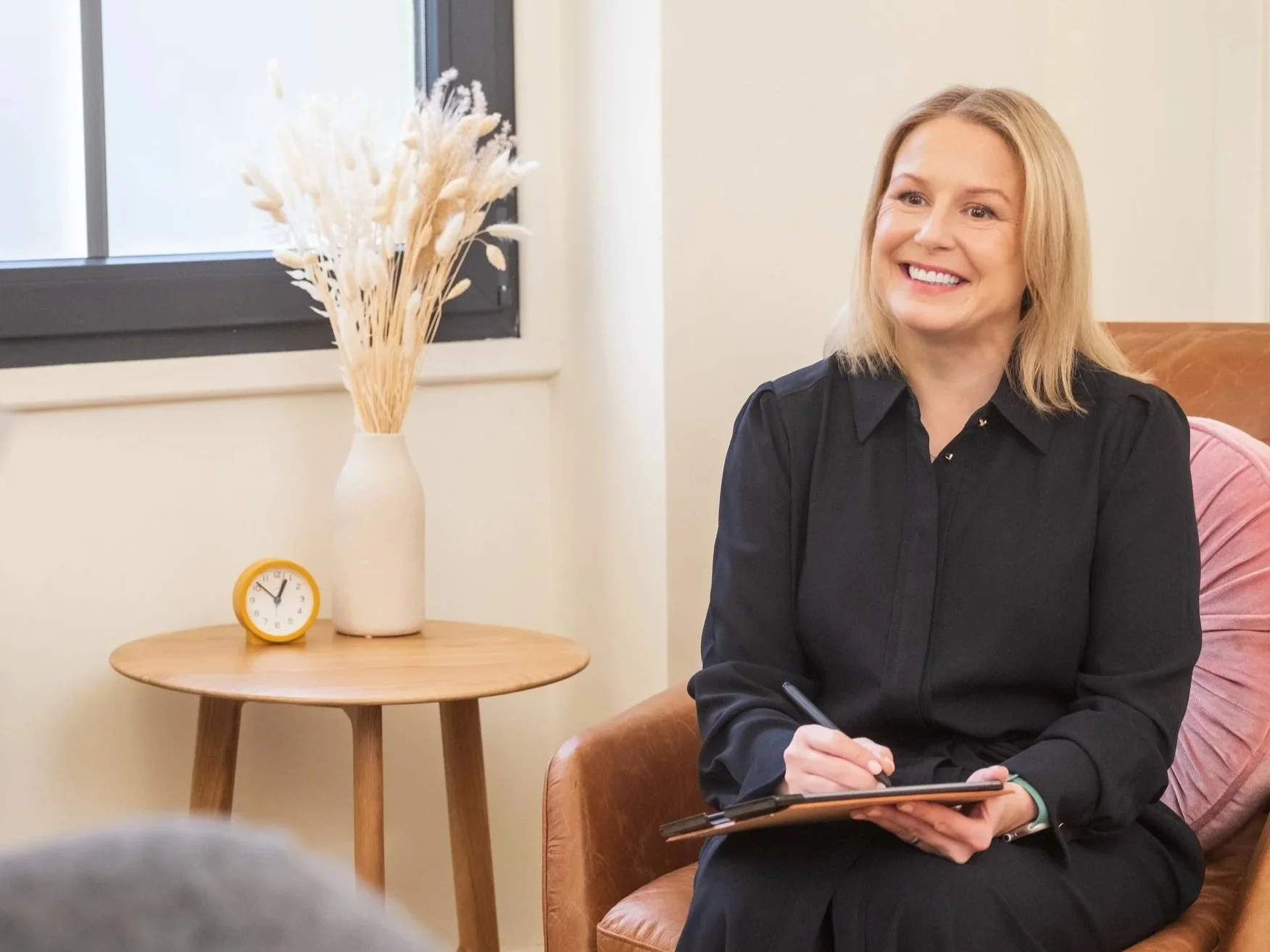
Neuropsychological Assessment in Glasgow & Scotland
Person-centred neuropsychological assessments from experienced Clinical Psychologists with specialist training in Clinical Neuropsychology.
Harris Psychology provides private neuropsychological assessments for adults experiencing changes in memory, attention, language, executive functioning and other cognitive abilities. Assessments are carried out by HCPC-registered Clinical Psychologists with specialist postgraduate training in Clinical Neuropsychology and extensive NHS neuropsychology experience.
We carry out person-centred neuropsychological assessments in line with NICE and SIGN guidance, to help you to gain a thorough understanding of your cognitive strengths and difficulties to inform meaningful, individualised care and support.


How We Can Help
Collectively we have over 30 years of neuropsychological assessment experience with adults from our time working in Older People Services, a Young Onset Dementia Service, and the Institute of Neurological Science within the NHS. In addition to our Doctorate in Clinical Psychology we have both completed the Post-Graduate Diploma in Clinical Neuropsychology which has given us additional training and expertise in this area.
We also have personal experience of family members having cognitive issues and therefore really understand that experiencing changes in your cognitive functioning can be worrying. We therefore work hard to ensure that you feel informed, supported, understood, and relaxed at each stage of the assessment process.
When is a Neuropsychological Assessment Helpful?
People can experience a range of difficulties with their thinking processes (also known as cognitive functioning) such as memory problems, changes with language or speech, difficulties concentrating or attending to information, problems performing daily tasks, and/or changes in mood or behaviour.
There are many reasons why someone may experience changes in their cognitive functioning such as:
Mental health difficulties like anxiety, stress, low mood, sleep issues, trauma
Physical health conditions such as Diabetes, Long Covid, Fibromyalgia, head injury, medication, strokes, neurological diseases such as Multiple Sclerosis
Neurodegenerative brain changes such as a dementia (e.g. Alzheimer’s Disease, Vascular Dementia, Dementia with Lewy Bodies, Fronto-Temporal Dementia)
Cognitive functioning changes can cause people to feel anxious, worried and uncertain about their future. These changes can lead to some people finding life difficult to manage. A neuropsychological assessment can help to provide information on why you are experiencing these changes. Understanding what is causing these changes is a powerful first step in learning how to manage changes. The results from a neuropsychological assessment can also help to inform treatment options. It can clarify if these changes are temporary or if they are likely to progress.
What happens during an assessment
Session 1: For the first session you will attend a clinical interview where you will be asked questions about changes in your cognitive functioning, medical history, mental health, everyday activities, and previous education and work experience. We may also talk to a family member or caregiver with your permission.
Sessions 2 and 3: Testing is typically carried out over two sessions.During these sessions you will be asked to complete a variety of tasks that measure different aspects of cognitive function. These might include:
Puzzles or problem-solving tasks
Memory exercises (remembering words or stories)
Language tests (naming objects or defining words)
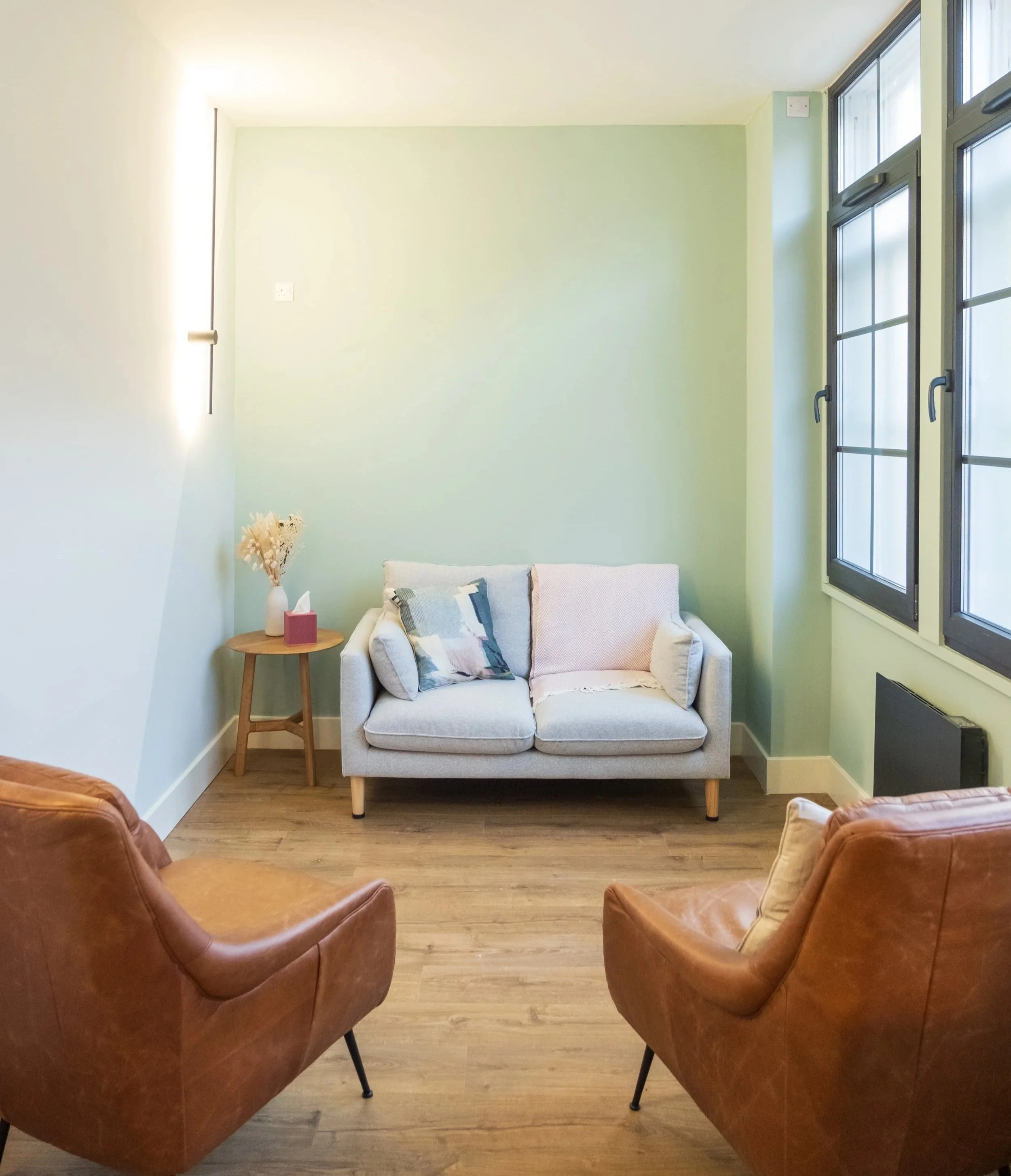
The tests are not painful or invasive and are carried out in a quiet room in our Glasgow City Centre office. We administer a mix of paper-and-pencil tasks and computer-based tasks. When appropriate we offer a hybrid model, which involves attending a mix of face-to-face and video appointments.
Session 4: Feedback session where your results are discussed with you. Recommendations for further support is also discussed in this session.
Follow up sessions: If required we can also provide follow-up sessions to provide support such as cognitive rehabilitation.
Support for Carers
We are passionate about helping people to adapt to their role a as carer while ensuring that their emotional wellbeing remains a key focus. We have extensive experience working with people caring for a loved one with a diagnosis of a dementia from our time working in the NHS. If we are aware of existing support services that you can access, we will also signpost you to this support in the first instance so that you have the option of engaging with services that are accessible for free.
Information for Neurologists and Psychiatrists
We are committed to providing high quality care for clients who present with cognitive issues that is in line with the National Institute for Health and Care Excellence (NICE) and Scottish Intercollegiate Guidelines Network (SIGN) guidance. We therefore recognise the value of a multi-disciplinary team approach for some clients. If you wish to discuss a referral for a client for a neuropsychological assessment or a cognitive rehabilitation intervention, please contact us to discuss your client’s care.

How it works
Book a free consultation
A short call to understand your needs and match you to the right service.

We agree a plan together
A tailored approach based on your goals, lifestyle, and preferences.
Start your sessions
In-person in Glasgow or online, at a pace that works for you.

How to enquire and fees
If you wish to enquire about a neuropsychological assessment or support for carers please contact us to discuss the process further and to explore if this assessment or support would be helpful for you at this time. We also accept referrals from Neurologists, Psychiatrists and GPs.
We are registered providers with the following insurance companies: Bupa, AXA, Vitality and Aviva. We also accept self-funding clients. The fee will be confirmed with you prior to starting the assessment.
Our fee for follow-up support such as therapy, carer support or cognitive rehabilitation is £130.00 per 50-minute session for self-funding clients.
Ready to take the first step?
Book a free 15-minute consultation call. You'll speak directly with Michelle or Lisa.
More Services
-
![]()
Psychological Interventions
-
![]()
Neuropsychological Assessment
-
![]()
Cognitive Rehabilitation
-
![]()
Expert Witness & Medicolegal Services
-
![]()
Staff Wellbeing Packages